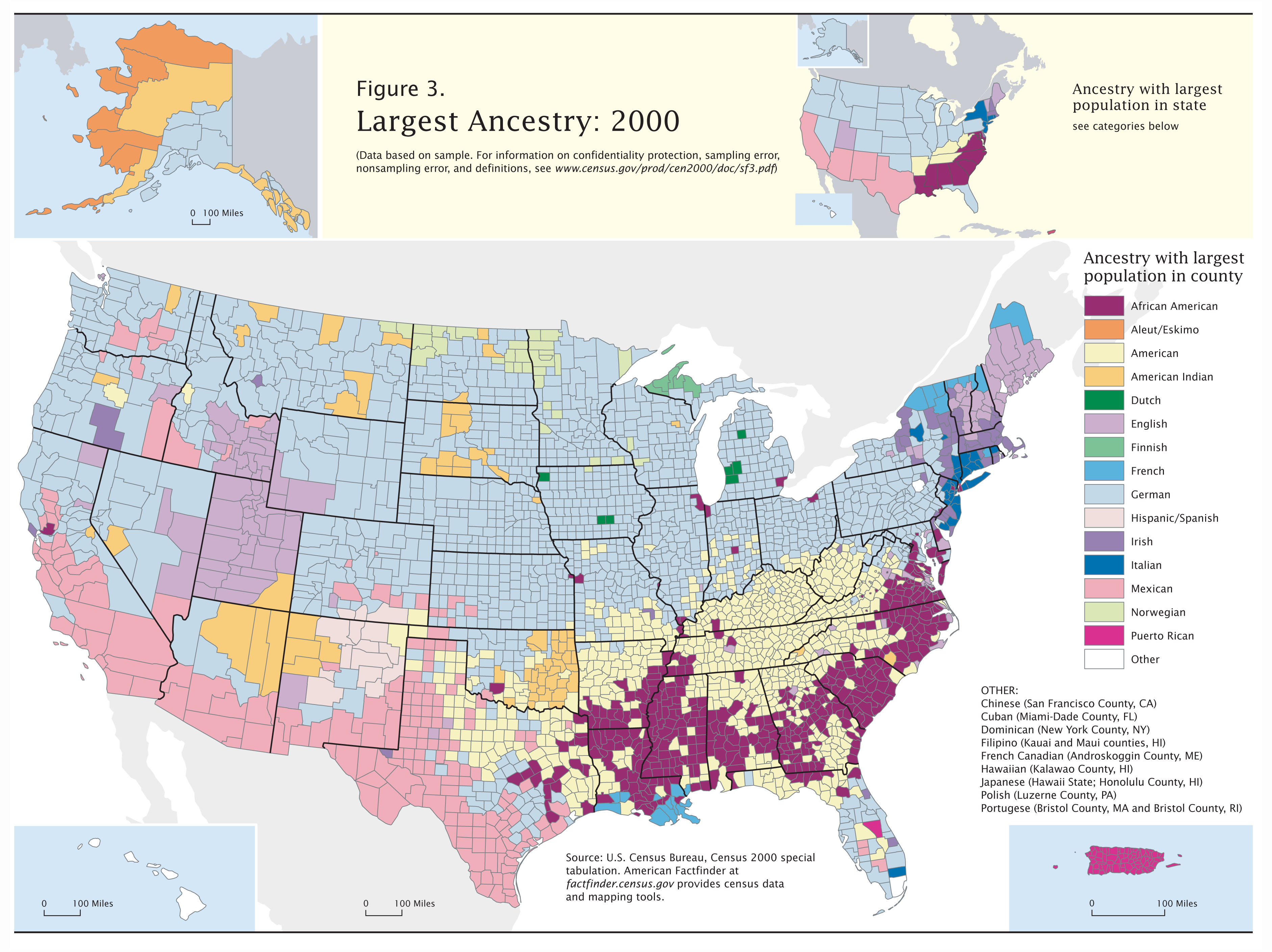
Great immigration Op-ed in the New York Times today. Excerpted below.
A PROMINENT American once said, about immigrants, “Few of their children in the country learn English... The signs in our streets have inscriptions in both languages ... Unless the stream of their importation could be turned they will soon so outnumber us that all the advantages we have will not be able to preserve our language, and even our government will become precarious.”
This sentiment did not emerge from the rancorous debate over the immigration bill defeated last week in the Senate. It was not the lament of some guest of Lou Dobbs or a Republican candidate intent on wooing bedrock conservative votes. Guess again.
Voicing this grievance was Benjamin Franklin. And the language so vexing to him was the German spoken by new arrivals to Pennsylvania in the 1750s, a wave of immigrants whom Franklin viewed as the “most stupid of their nation.”
...Often, the disdain for the foreign was inflamed by religion. Boston’s Puritans hanged several Friends after a Bay Colony ban on Quakerism. In Virginia, the Anglicans arrested Baptists.
But the greatest scorn was generally reserved for Catholics — usually meaning Irish, French, Spanish and Italians. Generations of white American Protestants resented newly arriving “Papists,” and even in colonial Maryland, a supposed haven for them, Roman Catholics were nonetheless forbidden to vote and hold public office.
Once independent, the new nation began to carve its views on immigrants into law. In considering New York’s Constitution, for instance, John Jay — later to become the first chief justice of the Supreme Court — suggested erecting “a wall of brass around the country for the exclusion of Catholics.”
By 1790, with the United States Constitution firmly in place, the first federal citizenship law restricted naturalization to “free white persons” who had been in the country for two years. That requirement was later pushed back to five years and, in 1798, to 14 years.
...
Scratch the surface of the current immigration debate and beneath the posturing lies a dirty secret. Anti-immigrant sentiment is older than America itself. Born before the nation, this abiding fear of the “huddled masses” emerged in the early republic and gathered steam into the 19th and 20th centuries, when nativist political parties, exclusionary laws and the Ku Klux Klan swept the land.
As we celebrate another Fourth of July, this picture of American intolerance clashes sharply with tidy schoolbook images of the great melting pot. Why has the land of “all men are created equal” forged countless ghettoes and intricate networks of social exclusion? Why the signs reading “No Irish Need Apply”? And why has each new generation of immigrants had to face down a rich glossary of now unmentionable epithets? Disdain for what is foreign is, sad to say, as American as apple pie, slavery and lynching.
That fence along the Mexican border now being contemplated by Congress is just the latest vestige of a venerable tradition, at least as old as John Jay’s “wall of brass.” “Don’t fence me in” might be America’s unofficial anthem of unfettered freedom, but too often the subtext is, “Fence everyone else out.”


3 comments:
ahhh, some things never change. it's funny that things that somehow seem new have been happening forever.
i wonder if the current leftist movement will have as dismal an end as did the leftists of the 60s.
I don't think so...we have the advantage of an international leftist movement that is far more democratic than before (i.e. no more Soviet Union). I also think new media will play a large role in that it is much easier to disseminate ideas and information outside of conventional channels.
Not to mention that 'Washington consensus' global economic policies have been a complete failure for developing nations in the past 30 years...
well, if it doesn't fizzle, then it will be great to have lived during this part of history.
and if it does fizzle, well then we picked a shitty time to be born.
i plan on doing my part to prevent the fizzle.
Post a Comment